Rafiquell: Vintage Font for Creative Branding
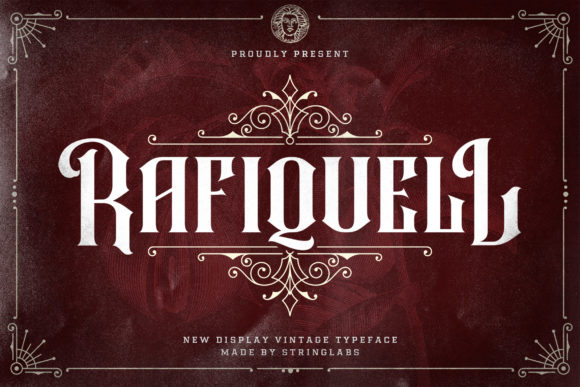
There I was, staring at a blank brand board, trying to figure out how to make a small café feel both timeless and inviting. The client wanted something that spoke of old-world charm without being too over the top. That’s when I stumbled on Rafiquell—a vintage, decorative blackletter font with a distinctly Victorian flair. It felt like the missing piece in the puzzle.
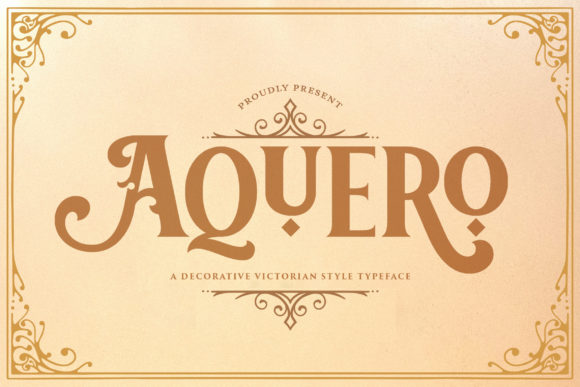
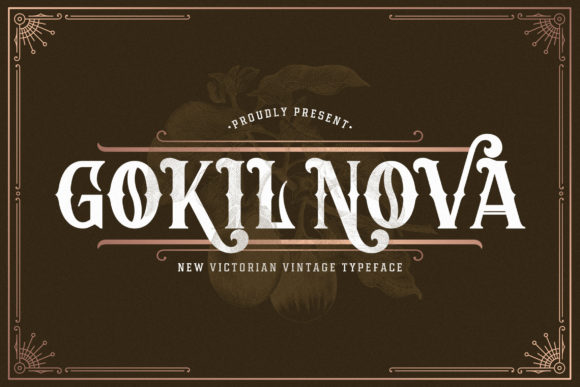
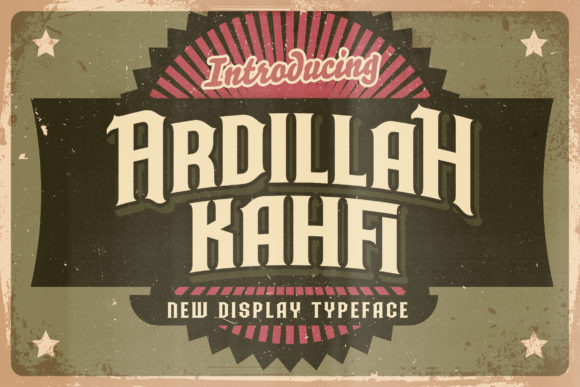
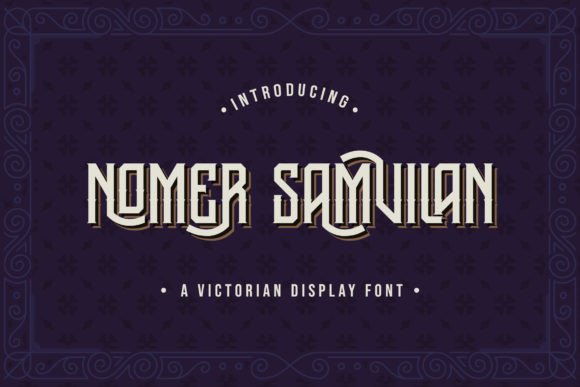
Rafiquell isn’t just a font; it’s a mood. Its intricate details and flowing strokes bring a sense of playfulness and nostalgia, making it perfect for brands that want to evoke a bygone era. Inspired by vintage tattoo designs, it has an organic, handcrafted feel that adds character without overwhelming the design.
Testing Rafiquell in Real Design Projects
I started by testing it on a logo draft. The first thing I noticed was how it brought a sense of elegance to the text. It wasn’t too rigid or formal, which made it feel approachable. For a café, that balance was key—something that felt authentic but still professional.
Next, I tried it on packaging mockups. The font worked well on labels and stickers, adding a touch of whimsy that stood out on shelves. It paired nicely with a clean sans serif for body text, creating a contrast that kept the design from feeling too busy.
On a shop sign, Rafiquell had a bold presence. Its thick strokes made it legible from a distance, while the delicate flourishes gave it a refined edge. It was clear this font could handle both large-scale and intimate design elements.
Where Rafiquell Shines
Rafiquell is best used as a display or headline font. It doesn’t work well for long paragraphs, but as a logo or accent element, it adds visual interest and personality. In a brand identity system, it can be used for headings, taglines, or special sections that need a unique touch.
For a skincare brand, I saw how it could be used in social media graphics and website headers. Its ornate style matched the idea of luxury and tradition, while still feeling modern enough for today’s audiences. On a flyer, it caught the eye without competing with the message.
In editorial design, Rafiquell added a layer of sophistication. Whether it was a magazine spread or a brochure, it helped set the tone without being distracting. It also worked well in combination with a script font for a more dynamic look.
Design Considerations and Practical Tips
Before committing to a full brand system, I always recommend testing a font in multiple contexts. Rafiquell is no exception. I experimented with different weights and styles to see how it adapted to various formats. Some versions were more dramatic than others, so choosing the right one depended on the project’s needs.
It’s also important to check the font’s multilingual support if the brand serves a global audience. While Rafiquell is primarily designed for Latin scripts, I made sure it handled common characters and accents without issues. This ensured the font would work across all communication materials.
Font pairing is another key consideration. Rafiquell pairs well with a classic serif for a balanced look, or with a minimalist sans serif for a more modern twist. I found that keeping the supporting typefaces simple allowed Rafiquell to shine without clashing.
Using Rafiquell in Commercial Design
When working with clients, I always emphasize the importance of commercial licensing. Rafiquell, like many premium fonts, requires proper licensing for use in branding, packaging, and digital assets. Making sure the client understands this upfront saves time and avoids legal issues down the line.
For merchandise, such as t-shirts or mugs, Rafiquell added a distinctive touch. Its detailed nature made it stand out in print, while its vintage aesthetic aligned with the brand’s overall vibe. It was a great way to reinforce the brand’s identity through physical products.
In web design, I used Rafiquell sparingly for hero sections and headings. It added a unique visual element without compromising readability. I made sure to test it on different screen sizes to ensure it remained legible and impactful across devices.
Overall, Rafiquell is a versatile tool for designers looking to add a vintage flair to their work. Its blend of elegance and playfulness makes it ideal for brands that want to stand out while maintaining a sense of authenticity. Whether it’s for a café, boutique, or creative studio, this font offers a fresh take on traditional typography.
As I wrapped up the project, I knew Rafiquell had played a crucial role in shaping the brand’s identity. It wasn’t just about the look—it was about the story the font helped tell. And that, in the end, is what makes a great design.